
https://www.wonlow.com/the-ultimate-guide-to-inline-skate-wheels-bearings-maintenance-and-techniques/
Wheel material: soft and hard have their own uses
inline skates are not just for “rolling”, they directly determine your skating experience.
Soft wheels (78A-84A)
are suitable for outdoor use and rough surfaces, such as sidewalks and asphalt roads. They absorb shock and provide a more stable ride. The downside is a slightly slower speed.
Hard wheels (85A~100A)
are suitable for indoor sliding or smooth floors, rolling smoothly and fast, but are not suitable for uneven outdoor surfaces and are prone to slipping.
Wheel diameter: small wheels are flexible, large wheels are stable
The diameter of the wheels also affects the gliding experience:

Small wheels (72mm~80mm) : More flexible, easier to turn, suitable for beginners to practice skills or skate indoors.
Medium wheels (80mm~90mm) : They combine flexibility and stability and are the first choice for most families and children.
Large wheels (over 90mm) : fast speed and strong sprinting power, suitable for long-distance outdoor skating or skaters with a certain foundation.
Bearings: The secret to smooth wheel sliding
The smoothness of the wheel depends not only on the wheel material, but also on the quality of the bearing.
Bearing grades are usually expressed as ABEC ratings , with the higher the number, the smoother the bearing in theory. However, the actual effect also depends on the installation and lubrication.
Regular cleaning of the bearings is crucial: use cleaning fluid to remove any dust, and then apply a small amount of lubricant. The wheel will then turn as smoothly as before.
Daily inspection: Don’t let small problems become big troubles
Wheel screws : They may become loose after frequent skating. Check and tighten them weekly or before each skating.
Wheel wear : When the outer side of the wheel is worn flat, you need to swap its position or replace the wheel to avoid unstable sliding.
Bearing impurities : Dust and sand entering the bearings will increase friction, so regular cleaning is necessary.
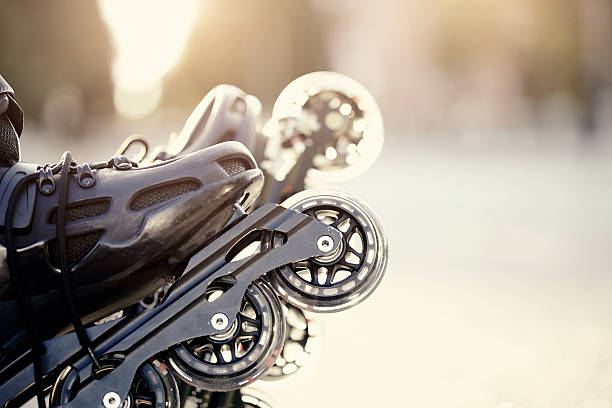
A little complaint: Buying roller skates is not just about buying wheels
Many beginners think, “The wheels look good, and the shoes are new, so they should be able to skate smoothly, right?”
But when they experience clattering noises and slip around turns, they realize they haven’t inspected or maintained the wheels and bearings. No matter
how durable your roller skates are, they still require some manual effort to keep the wheels in good working order.
Wheel maintenance tips
Rotate the wheels regularly : If the wheels are unevenly worn, you can rotate them to extend their life.
Cleanliness and lubrication : Keep the bearings clean and properly lubricated for smooth sliding.
Choose wheels that suit the environment : choose hard wheels for hard surfaces indoors and soft wheels for rough surfaces outdoors. Don’t blindly pursue speed.
Summarize
Wheels and bearings are the “soul parts” of inline skates .
The wheel material and diameter determine smoothness and handling;
Bearing maintenance determines whether the sliding is smooth or not;
Daily inspections and wheel rotations can extend the life of your shoes.
Choose your wheels carefully and take good care of them, and your skating experience will be elevated to a whole new level. After all, a smooth, gliding wheel is the beginning of a joyful skating experience!
https://www.wonlow.com/the-ultimate-guide-to-inline-skate-wheels-bearings-maintenance-and-techniques/


