
https://www.wonlow.com/the-ultimate-guide-to-parent-child-inline-skating-fun-growth-safety/
For many children, the first time they put on inline skates is a mixture of excitement and fear. The shoes are high and stiff, and a slip can be enough to make them fall. Their eyes are filled with the question, “Can I do this?”
At this point, a parent’s response is crucial. Don’t rush to correct their form or bark instructions. Let your child experience the joy of skating first—even if it’s just a few quick steps in place. A comfortable and fun first impression will make them want to skate again.
A little trick: you can let your child walk a few steps on the grass or carpet in roller skates first. This way, the speed is slow, the friction is high, and it doesn’t hurt if they fall, so they will find it easier to find balance.
Only when you have the right equipment can you dare to ski
Don’t assume only pros need protective gear. For beginners, knee pads, elbow pads, palm guards, and a helmet are standard equipment.
Hand guards are especially essential! When a child falls, their first instinct is to push themselves up, and unprotected hands can’t withstand repeated bumps.
inline skates that fit your feet . Adjustable ones are preferred because they can “grow” with the length of your feet and can also wrap your ankle more firmly, making skating safer.
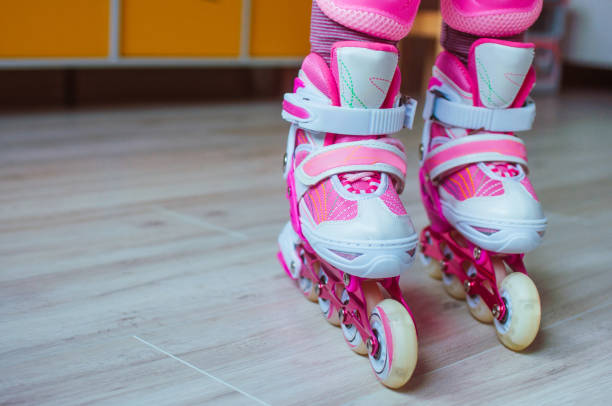
The first step in learning to skate: Standing steady is more important than skating fast
Many parents want their children to “skate forward” right from the start. The correct sequence is to learn to stand first, then walk, and finally skate.
The key to steadying your stance is to lean slightly forward, with your knees slightly bent and your feet in a V shape. This prevents your body from falling backward.
Don’t underestimate this position; it’s the foundation of all movements.
When practicing balance, hold onto a railing or wall, or have your parent hold your hand. Once your child is able to stand independently, slowly experiment with sliding, braking, and turning. Don’t rush the process; every child has their own pace. Falling, laughing, and getting back up is actually the most beautiful part of skating’s growth process.
Encouragement is always more effective than correction
In the early stages of sliding, children are bound to fall—and fall in all sorts of ways. At this point, parents shouldn’t rush over and yell, “I told you to be careful!”
Try changing the tone: “That’s a good fall. Next time, let’s try the other side together.” Encouraging feedback can greatly boost a child’s self-confidence.
You will find that children who dare to fall and laugh often make faster progress, because they know that falling is not a failure, but a necessary step to becoming a master.
The fun of sliding should be combined with family time
In fact , inline skates aren’t just sports equipment; they’re a bridge for parent-child interaction.
In the park at dusk or in the parking lot on weekends, parents and children skate together. A slow pace doesn’t matter; what matters is the moments spent together, laughing and skating.
Children grow through imitation. Watching their parents learn and fall, they understand: exercise isn’t about who’s better, but who can persevere the longest.
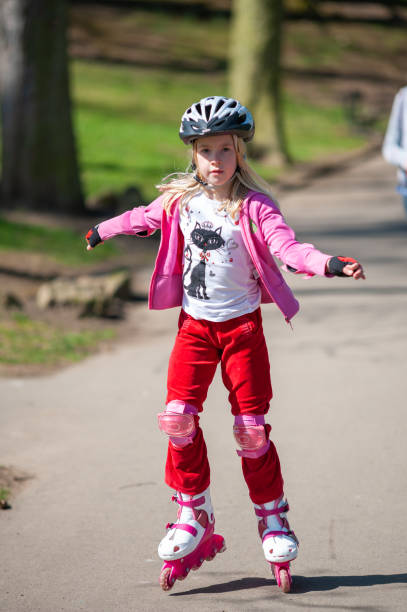
Little Tucao: Don’t be an “anxious coach parent”
Some parents are eager for their children to be able to perform tricks and figure-eight turns in just one week. As a result, their children are too intimidated to put on shoes before they even learn to stand firmly.
In reality, improving skating skills is a gradual process. Children’s physical memory is stronger than you might think. Just let them practice and play more, and their sense of balance will naturally develop.
So, let go of your anxiety and enjoy the process of skating with them.
Summary: Sliding with your children is also accompanying them in their growth
The first time a child puts on inline skates is the beginning of their introduction to speed, freedom, and balance.
Parents can do more than just teach them skills; they can also instill a sense of security and confidence.
From clumsy wobbles to graceful gliding, every fall and every laugh is a sign of their growth.
When you watch them slide out their first perfect arc in the sunshine, you will suddenly realize: what you teach them is not just how to slide, but the courage to face challenges.
https://www.wonlow.com/the-ultimate-guide-to-parent-child-inline-skating-fun-growth-safety/


