
https://www.wonlow.com/the-ultimate-guide-to-inline-skating-safety-gear-and-protection/
inline skates are fun, falls are inevitable. Many parents and skaters initially neglect safety gear, resulting in minor injuries like scrapes and sprains, or even severe fractures.
Safety gear not only protects children but also gives beginners more confidence as they practice skating—they know they won’t be seriously injured, which reduces psychological stress and leads to more stable skating.
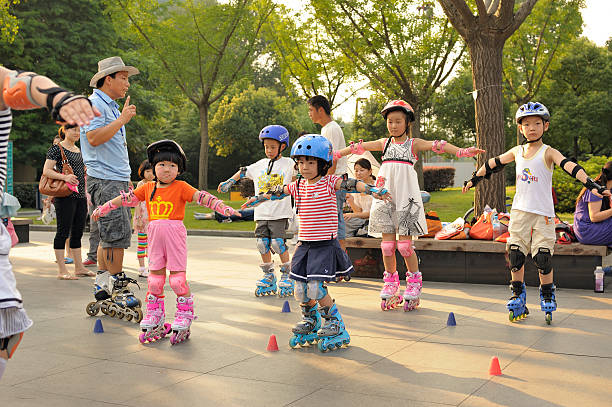
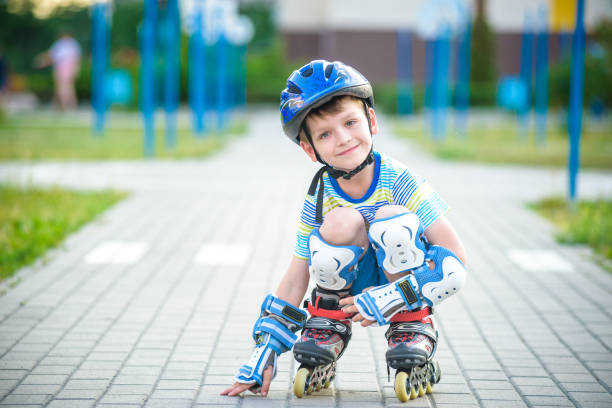
Required equipment: helmet, knee pads, elbow pads, palm guards
helmet
A helmet is the primary piece of equipment that protects the head from impact.
It is important to choose the right helmet: it should fit the shape of your head, not shake, and be breathable.
Remember to adjust the strap under the helmet so that your chin is slightly supported but not constricted.
Knee and elbow pads
This is especially important for beginners. Your knees and elbows are your first line of defense when you fall.
Children often instinctively use their hands to support themselves, and elbow pads can reduce arm injuries.
Choose styles that are moderately soft and hard and have ventilation holes to avoid stuffiness and airtightness.
Palm guards/gloves
Many people ignore the fact that the palms are often the first part to hit the ground when falling.
Palm guards can reduce scrapes and scratches, and also provide stable support in case of falls.
Tips: Wear the right socks for more comfortable skating
Choose sports socks with moderate thickness to prevent friction and absorb sweat.
If the socks are too thin, they will rub your feet inside the shoes; if they are too thick, the shoes will be too tight.
If your child is skiing in winter, you can choose slightly thicker socks to keep their ankles warm and protect the shoe lining.
Practice environment safety
Choose a flat, dry, open area and avoid gravel or slippery surfaces.
If you are in an outdoor park or community, it is best to avoid areas with heavy traffic.
Beginners can draw a “practice route” on the ground to practice braking, turning, and stopping, so that children can develop a sense of space and direction.
Mental safety is also important
Falling is inevitable when the child starts to slide. Parents should be patient and not yell at the child while pulling him.
Let your children understand that “it’s okay to fall down, the key is to stand up again.”
Safety equipment acts as a psychological buffer and also allows children to try various movements, improving their balance and confidence.
Small complaints:
Many parents would say, “He’s just practicing anyway, he won’t fall badly.”
But when the child slips, his elbows and knees are bruised, but the shoes are still intact…
Yes, roller skates are durable, but children’s hands and feet are not!
Summarize
inline skates isn’t about speed, but about playing safely and confidently.
Helmets, knee pads, elbow pads, and palm guards are essential;
Proper socks and shoes ensure comfort;
Choose a safe venue and a reasonable attitude to encourage children to dare to skate and practice.
With all the equipment, parents can rest assured and children can enjoy themselves. Sliding is no longer a thrilling experience, but a happy time to look forward to every day.
https://www.wonlow.com/the-ultimate-guide-to-inline-skating-safety-gear-and-protection/


